
01 / TOKO POJOK BLAURAN
From Manual Transactions to a Connected POS
CV Pojok Blauran Stationery Salatiga
CASE STUDY
The Challenge
When the project started, Toko Pojok Blauran was still handling transactions manually. Employees served customers around the store, wrote notes, calculated totals with calculators, and customers then went to the cashier to pay.
With around 2,000 product types and growing transaction volume, this process became increasingly difficult, especially when customers bought many items.
The goal was not simply to replace manual transactions, but to keep the way the store served customers while making the process faster and connected.
CASE STUDY
Keeping the Workflow, Connecting the System
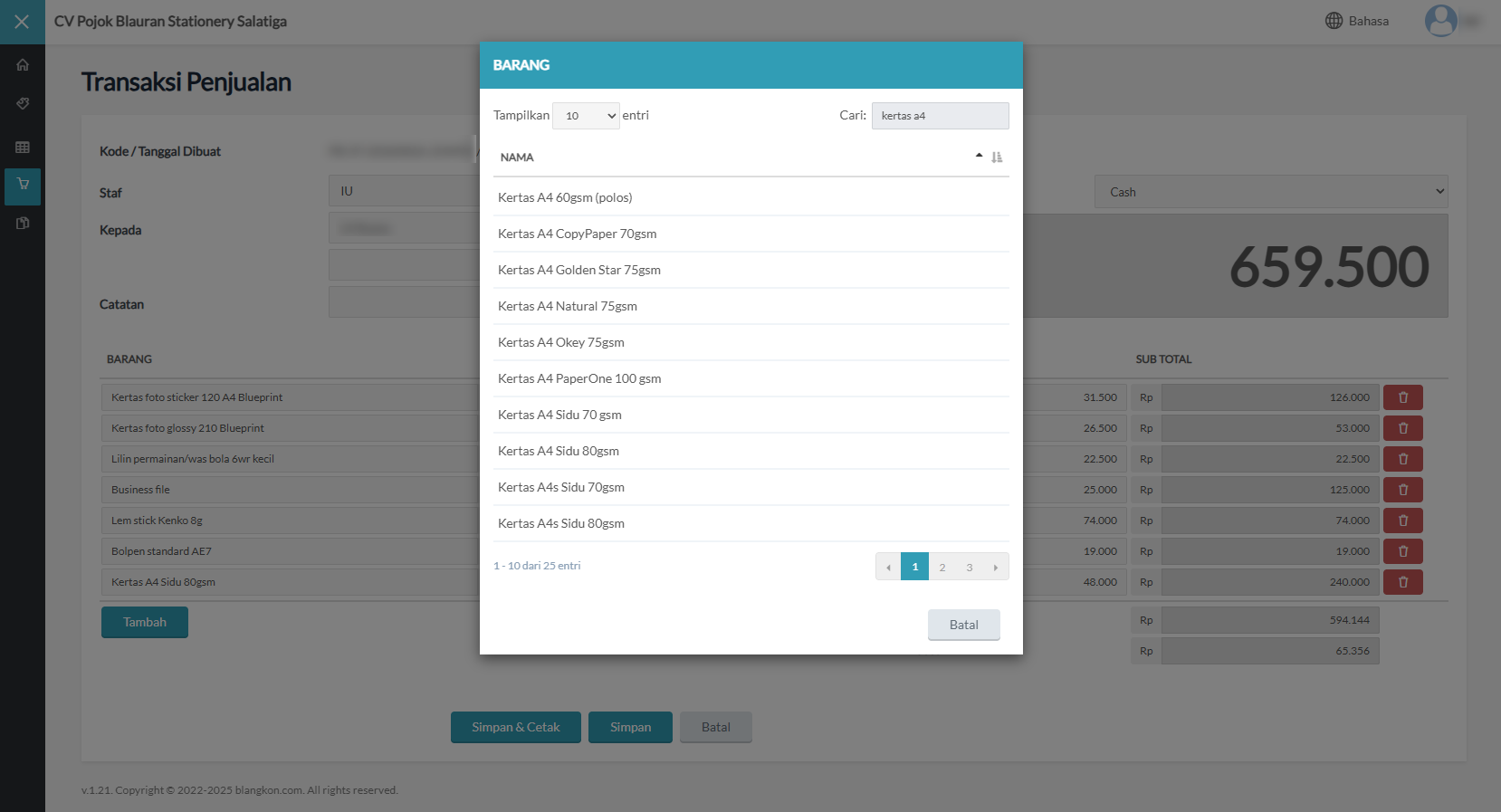
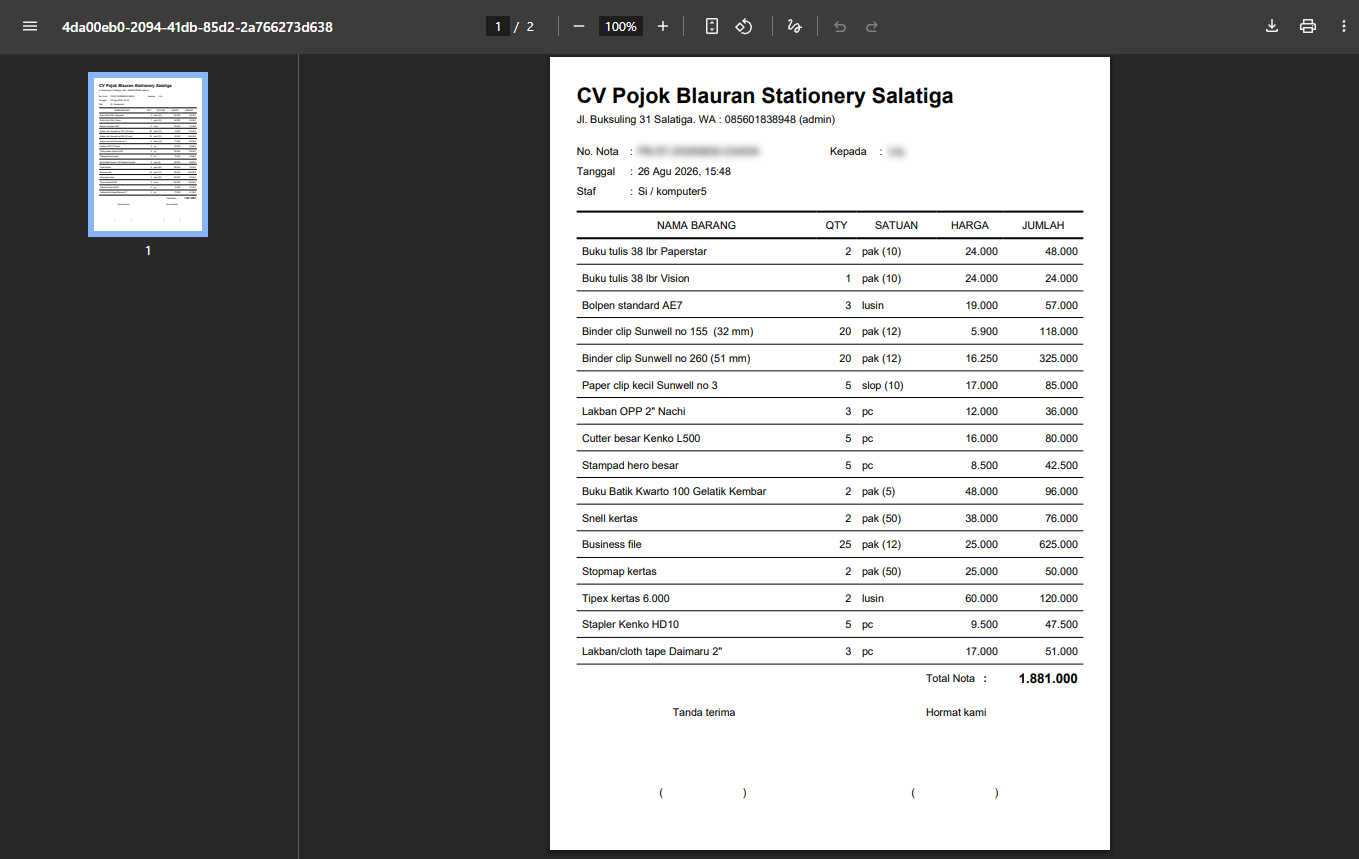
The owner wanted computers distributed around the store so employees could serve customers where they were. Employees create transactions and can print notes through the store network. The cashier can immediately open newly created transactions and complete the payment.
CASE STUDY
Eight Workstations, One Transaction System
The system supports multiple workstations across the store, with eight currently in use. These workstations are used by employees to serve customers and create notes; they are not eight separate cashiers. Payment remains at the cashier.
The owner also did not want employees tied to individual user accounts because they move between workstations. Access is therefore organized around positions such as workstation 1, workstation 2, and cashier, while the employee enters their name or alias when creating a transaction.
CASE STUDY
Selling by the Way the Store Sells
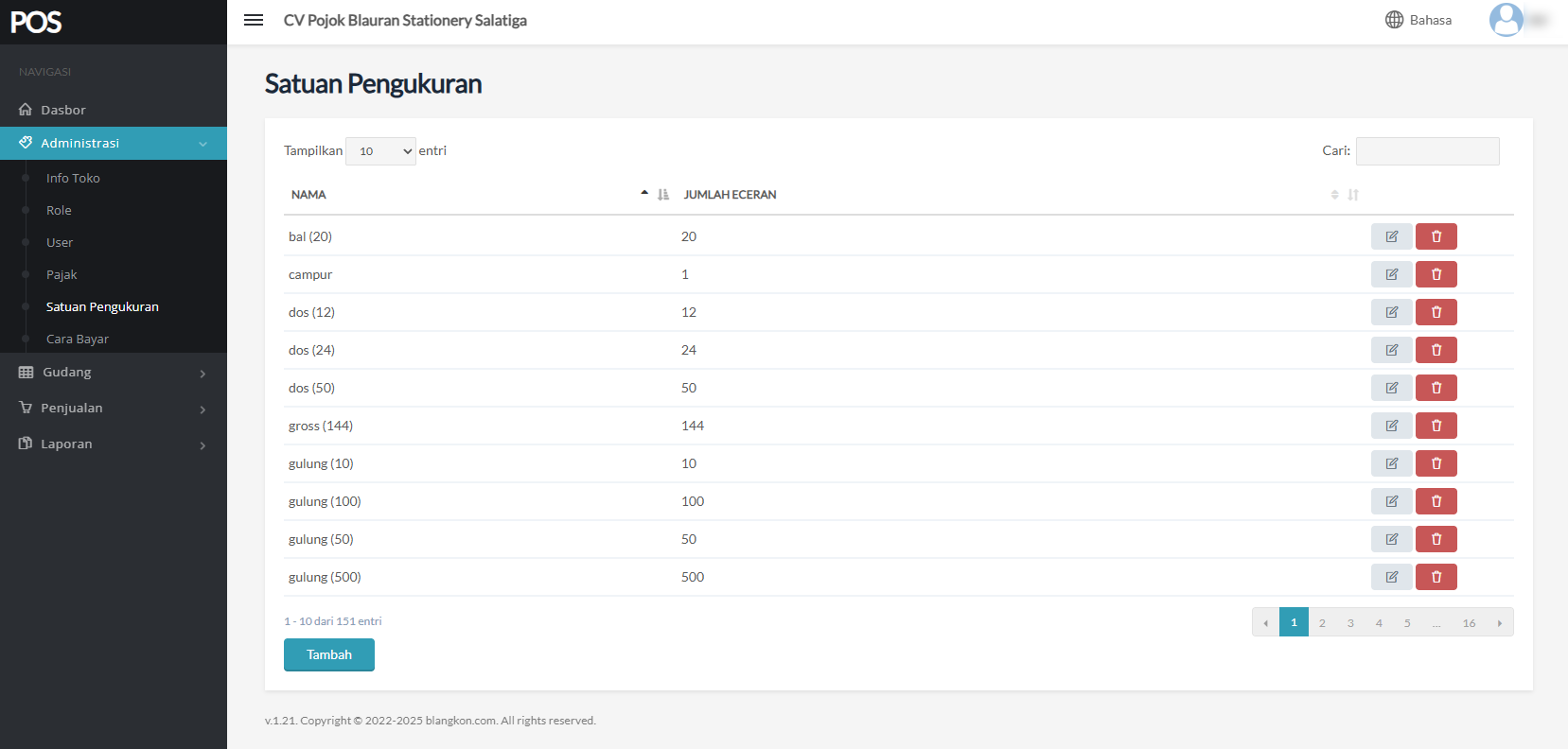
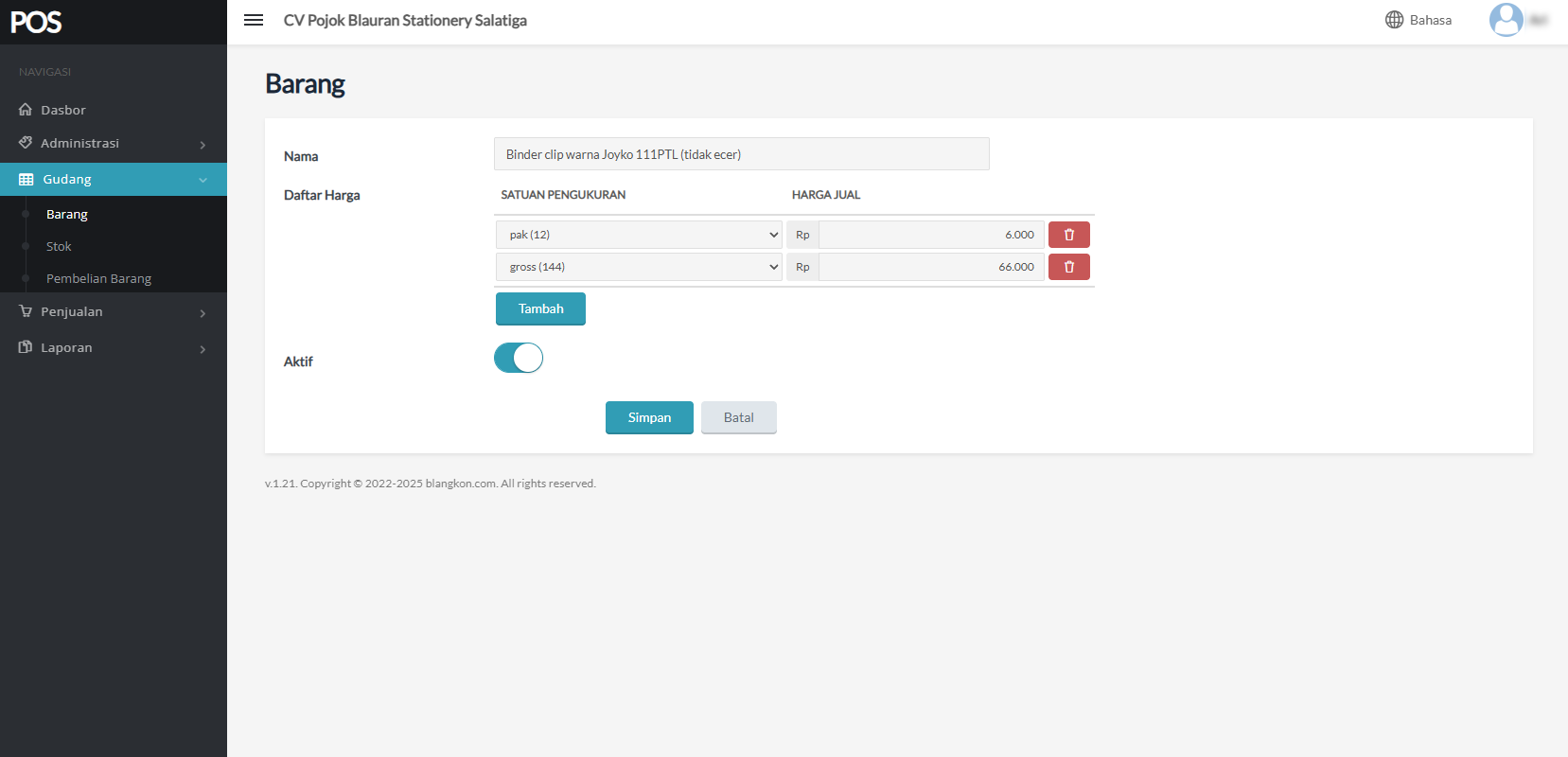
Stationery products are not always sold in a single unit. A dozen, for example, may need to be sold as twelve individual pieces. The store uses many different units, so the system provides configurable units with conversion quantities.
Products can use different units and prices, while inventory is tracked at the smallest unit. When creating a transaction, employees select the unit actually sold.
This is one of the places where custom software matters: the workflow follows how the store actually sells its products.
CASE STUDY
Small Details Matter
Customers sometimes request a particular color or other detail. Instead of imposing a complex product-variant system, the store can simply add a note to the item in the transaction.
CASE STUDY
Choosing the Right Infrastructure
The system needed multiple workstations to share the same data, so a networked setup was essential. Rather than maintaining a local server at the store, I proposed hosting the application remotely. This meant the store did not need to maintain its own server, while I could focus on maintaining the software and providing technical support without having to manage the store's local server infrastructure.
Since the system is dedicated to Toko Pojok Blauran, access is restricted through a VPN. This allows the application to remain private while being hosted remotely and accessible from the store's workstations.
I also set up a dedicated router for the store, extending the network from the main router used elsewhere in the building. The printer was connected to this router via USB rather than directly to the cashier's PC. Each workstation could then access the printer through its IP address. This avoided making the printer dependent on a particular Windows PC and reduced the risk of printer configuration being affected by changes on that computer, such as Windows updates.
Although the primary internet connection is stable, a backup connection remains in place for service disruptions, using a secondary provider through a separate router with a SIM card.
CASE STUDY
Evolving With the Business
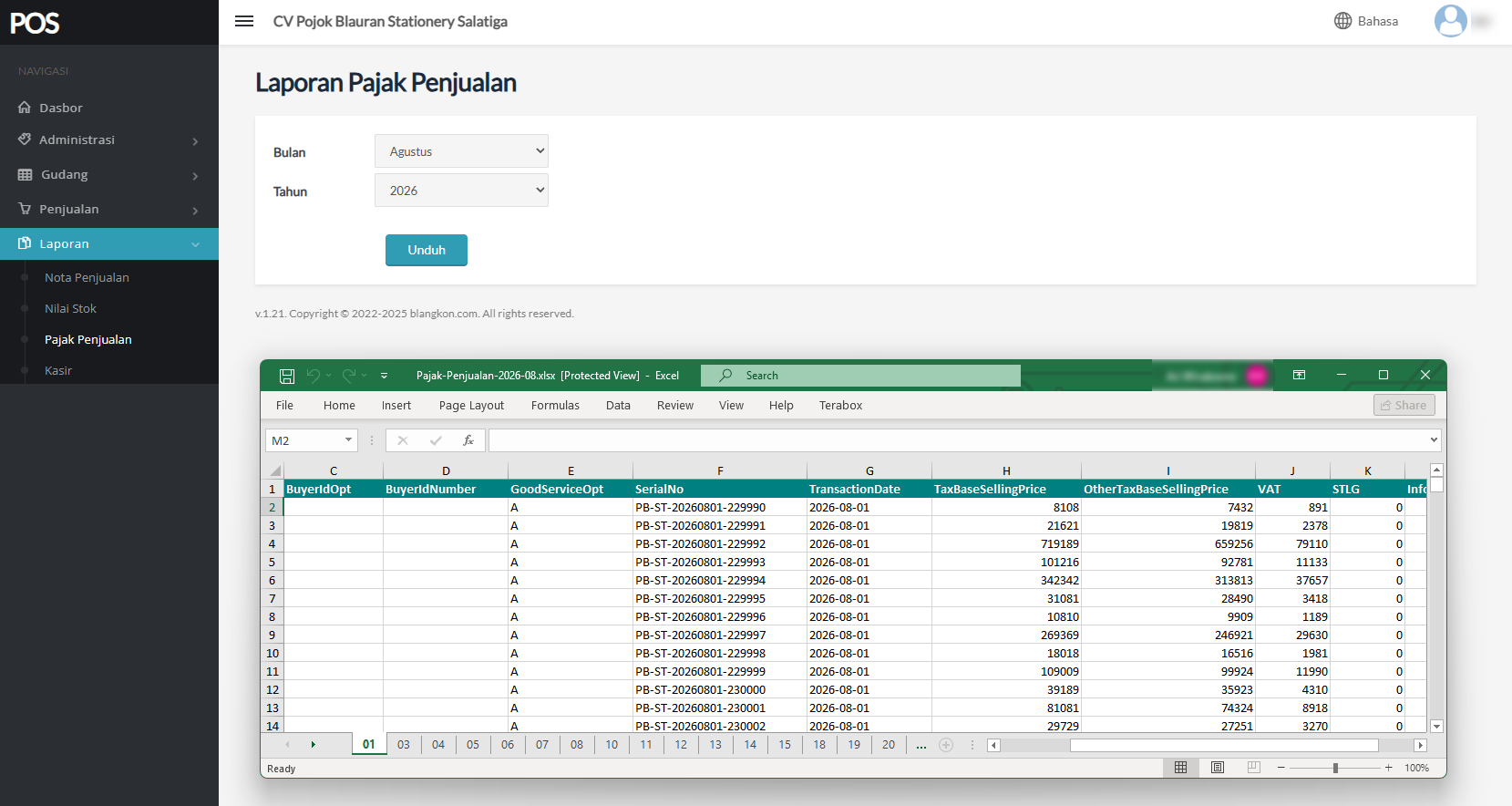
The system has continued to receive practical changes as the business uses it: cashier shifts and roles, updates to tax calculations as regulations changed, additional reports, UI changes, and other workflow improvements.
Some improvements came from the owner's requests; others were proposed after observing how the system was being used. Some were accepted and some were not. The software was allowed to evolve only where the change made sense for the business.
Barcode or QR scanning was also discussed, but the owner decided it was not necessary because employees could already work quickly without it.
CASE STUDY
Reporting & Tax
Reporting requirements also developed over time. The system was extended with tax-related calculations and additional reporting, including a calculation of the total value of goods sold when that information was needed for tax purposes.
CASE STUDY
Built for a Growing Business
The scale of the operation today is very different from when the system was first built. During peak periods, the store can handle more than 900 transactions in a day.
The system has been in production since 2022 and has grown alongside the store's operational needs.
CASE STUDY
Four Years in Production
What started as a solution to a manual transaction process has become part of Toko Pojok Blauran's daily operation.
Built around the business. Evolved with the business.
TECHNOLOGY
Built With
Java · Spring Boot · Angular · PostgreSQL · CentOS · VPS · VPN